2025 HESTA DISABILITY SECTOR AWARD FINALIST QUALIFIED TEAM WITH REGISTERED THERAPISTS
Equine-Assisted Counselling...
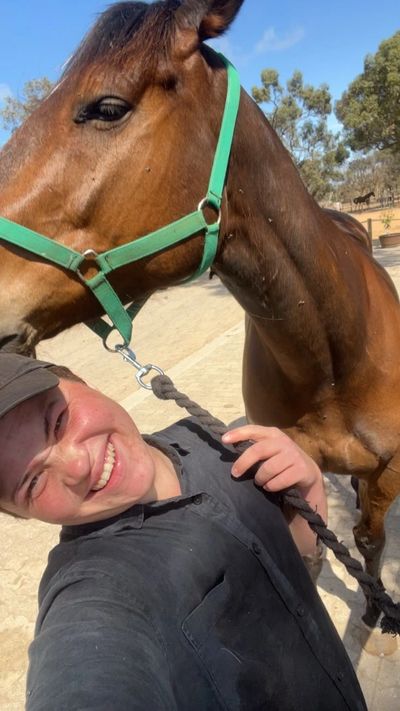
When traditional therapy doesn’t quite fit, Equine-Assisted Counselling offers a powerful alternativ
The key difference between Equine-Assisted Learning (EAL) and Equine-Assisted Therapy (EAT) lies in their goals, methods, and professional involvement:
At Hooves of Hope, we believe healing doesn’t always happen within four walls. Equine-Assisted Counselling (EAC) is a unique, evidence-informed therapeutic approach that combines the clinical expertise of a registered counsellor with the intuitive presence of horses to support emotional wellbeing and personal growth.
What is EAC?
EAC is a form of therapeutic support where individuals engage in structured activities with horses, guided by a qualified counsellor. Unlike standard riding programs, EAC does not require horse-riding skills and is grounded in psychological theory, incorporating modalities such as:
- Acceptance and Commitment Therapy (ACT)
- Cognitive Behavioural Therapy (CBT)
- Solutions-Based Therapy
- Trauma-informed Practice
- Attachment and Neuroscience principles
- Strengths-Based Approach
Why Horses?
Horses are incredibly perceptive animals. They respond to subtle changes in human emotion and body language, offering immediate, non-judgmental feedback. This makes them ideal partners in therapy—helping clients regulate emotions, build trust, and gain deeper insights into their behaviours and relationships.
Who Can Benefit?
Equine-Assisted Counselling supports individuals of all ages facing:
- Anxiety, depression, and trauma
- Autism and neurodivergence
- PTSD and stress-related conditions
- Emotional dysregulation
- Social isolation
- Low self-esteem and confidence
🤝 For Adults with Psychosocial Disabilities
For individuals living with anxiety, PTSD, complex trauma, depression, or other psychosocial disabilities, traditional counselling can feel overwhelming or inaccessible. Equine-Assisted Counselling offers a gentle alternative—where progress isn’t forced, but unfolds naturally.
Participants rediscover:
- Emotional regulation through sensory grounding
- Safe relational experiences with non-judgemental animals
- Increased confidence, communication, and self-worth
- A deeper understanding of their own emotional responses
EAC can be especially effective for individuals who’ve disengaged from mainstream services or who prefer experiential, nature-based approaches.
🎖 For Veterans: Healing Through Connection
Veterans often carry trauma that can’t be expressed through words alone. EAC offers a respectful and empowering pathway to process trauma, rebuild trust, and restore calm.
Horses—instinctively attuned to the nervous system—provide immediate, honest feedback, helping veterans to:
- Regulate hypervigilance
- Restore trust and connection
- Build confidence and agency
- Feel seen, without needing to explain
Many veterans report that EAC offers the most peace they’ve felt in years.
🧩 For NDIS Planners and Coordinators
Our EAC sessions are delivered by a fully registered ACA counsellor with advanced training in animal-assisted therapy and trauma-informed practice. We work closely with NDIS participants and their teams to align each session with therapeutic goals under:
- Capacity Building (Counselling)
All sessions are outcome-based, with regular clinical reviews and reports provided to support ongoing plan reviews or functional reassessments.
🏫 For Schools and Allied Health Teams
We partner with schools and youth wellbeing programs to support young people struggling with emotional regulation, engagement, or trauma histories.
EAC can assist students who:
- Are disengaged or displaying school refusal
- Experience anxiety, self-harm, or family instability
- Are neurodivergent and struggling in traditional talk therapy
- Have experienced complex or developmental trauma
Our setting offers a peaceful, grounded alternative where therapeutic work happens in a relational and embodied way—with measurable progress tracked across goals.
Why Hooves of Hope?
✔ Counselling delivered by qualified, trauma-informed professionals
✔ Evidence-informed, person-centred, and deeply respectful
✔ NDIA accepted (self-managed and plan-managed clients welcome)
✔ Peaceful, rural setting with safe, therapy horses
✔ Clinical outcomes tracked and reported
✔ No horse experience required
✔ Riding optional but not essential
Let the horses help you heal.
Discover a new way to connect, reflect, and grow through Equine-Assisted Counselling at Hooves of Hope.
📍 Now accepting referrals – enquire today to check availability.
The Hooves of Hope Approach

Person-Centred
Person-Centred
Person-Centred
Person-Centred Therapy means placing the individual — not the diagnosis, behaviour, or disability — at the centre of the therapeutic process. This approach is grounded in empathy, authenticity, and unconditional positive regard, creating a safe and supportive environment where clients feel heard, respected, and valued. Rather than directi
Person-Centred Therapy means placing the individual — not the diagnosis, behaviour, or disability — at the centre of the therapeutic process. This approach is grounded in empathy, authenticity, and unconditional positive regard, creating a safe and supportive environment where clients feel heard, respected, and valued. Rather than directing or “fixing” a person, our role is to walk alongside them as they build confidence, self-awareness, emotional regulation, and resilience.
Polyvagal
Person-Centred
Person-Centred
A Polyvagal-informed approach recognises how trauma, stress, anxiety, and neurodivergence can affect the nervous system and a person’s sense of safety. This approach focuses on helping individuals move from states of fight, flight, freeze, or shutdown into feelings of connection, calmness, and regulation. Horses play an important role in
A Polyvagal-informed approach recognises how trauma, stress, anxiety, and neurodivergence can affect the nervous system and a person’s sense of safety. This approach focuses on helping individuals move from states of fight, flight, freeze, or shutdown into feelings of connection, calmness, and regulation. Horses play an important role in co-regulation, helping clients feel grounded, safe, and present without pressure or judgement. Sessions aim to support emotional regulation, confidence, communication, self-awareness, and overall wellbeing in a safe and supportive environment.
Strength-Based
Person-Centred
Strength-Based
A Strengths-Based approach focuses on recognising and building upon each individual’s unique abilities, interests, resilience, and potential rather than concentrating solely on challenges or limitations. We believe every person has strengths that can be nurtured to support growth, confidence, independence, and emotional wellbeing. Clients
A Strengths-Based approach focuses on recognising and building upon each individual’s unique abilities, interests, resilience, and potential rather than concentrating solely on challenges or limitations. We believe every person has strengths that can be nurtured to support growth, confidence, independence, and emotional wellbeing. Clients are encouraged to discover their capabilities in a safe, supportive, and empowering environment. Working alongside horses helps individuals develop trust, communication, problem-solving skills, emotional regulation, and self-belief while celebrating achievements at their own pace. Our goal is to empower people to recognise their value, build resilience, and create positive pathways forward.
Narrative
Person-Centred
Strength-Based
Narrative Therapy focuses on helping individuals explore and reshape the stories they hold about themselves, their experiences, and their lives. We recognise that people are not defined by their struggles, trauma, diagnosis, or past experiences. Instead, Narrative Therapy supports clients to separate themselves from problems and discover
Narrative Therapy focuses on helping individuals explore and reshape the stories they hold about themselves, their experiences, and their lives. We recognise that people are not defined by their struggles, trauma, diagnosis, or past experiences. Instead, Narrative Therapy supports clients to separate themselves from problems and discover strengths, values, resilience, and alternative stories that empower growth and healing. By working alongside horses, clients can build new perspectives, strengthen their sense of identity, and create more hopeful and empowering narratives for their future.
THE BENEFITS OF EQUINE-ASSISTED SERVICES
More than just "getting on a horse", the founders of Hooves of Hope have taken great lengths to ensure that all programs have scientific research into their viability as positive interventions. Multiple article reviews have been the catalyst behind the establishment of these programs across psychological domains to ensure you get the most professionally vetted interventions possible. Here are just a few of the benefits you can expect from Hooves of Hope.

Sensory Engagement
Sensory Engagement
Gentle Stimulation: Interacting with horses provides a gentle and calming form of sensory stimulation, promoting relaxation and sensory integration.
Tactile Experience: Grooming ponies and feeling their soft fur can offer a therapeutic tactile experience for sensory-seeking individuals.

Emotional Regulation
Connection and Empathy: Building a bond with ponies fosters a sense of connection and empathy, helping children regulate their emotions.
Stress Reduction: The calming presence of horses and the outdoor environment can contribute to stress reduction and emotional well-being.
Communication Skills
Non-Verbal Communication: Working with ponies encourages non-verbal communication, allowing children to express themselves and understand non-verbal cues.
Social Interaction: Group activities with peers and instructors provide opportunities for social interaction in a supportive setting.
Motor Skills Development
Balance and Coordination: Riding ponies and engaging in grooming activities promote the development of balance and coordination skills.
Fine Motor Skills: Activities like pony painting and crafting contribute to the refinement of fine motor skills.
Social Interaction: Group activities with peers and instructors provide opportunities for social interaction in a supportive setting.
Routine and Predictability
Structured Activities: The program's structured routine and clearly defined activities provide a sense of predictability, which can be comforting for children with autism.
Visual Schedules: Visual aids and schedules help children understand and anticipate the sequence of activities, enhancing their sense of control.

Building Confidence
Achievement Recognition: The gradual progression of skills, coupled with positive reinforcement, boosts the child's confidence and self-esteem.
Sense of Accomplishment: Overcoming challenges, such as navigating obstacle courses, provides a tangible sense of accomplishment.
Visual Schedules: Visual aids and schedules help children understand and anticipate the sequence of activities, enhancing their sense of control.
Inclusive Environment
Individualised Attention: The small-group setting options and 1:1 programs allow for individualised attention, ensuring that each child's unique needs are addressed.
Acceptance and Understanding: The inclusive and non-judgmental nature of the program fosters acceptance and understanding among participants.
Family Environment and Support
Shared Experiences: Hooves of Hope encourages families to participate, creating shared positive experiences and strengthening family bonds.
Parental Support: Parents are kept informed of their child's progress, fostering a supportive partnership between the program and families.

Clients can experience the holistic benefits of Equine pursuits. NDIS and Mainstream opportunities, with a qualified team providing riding, Therapy and equine-assissted learning! 🐴
Big Thankyou To Our Supporter
